
Industrial facilities that generate acidic wastewater are required to neutralize it before discharge, and often need dedicated tanks for the job. Federal pretreatment standards set a baseline and most local permits tighten it to having a pH between 6.0 to 9.0. Failure to comply carries significant penalties, permit consequences, and regulatory exposure.
Need to replace an aging system or steel? Protank regularly does this and can build custom replacement tanks to match your exact design and process specifications.
Built for Discharge Compliance and Waste Treatment
Acid neutralization tanks are the primary treatment step between acidic waste generation and lawful discharge. The system has to work reliably every time as a failed neutralization event is a compliance event. Protank builds the systems that make that reliability consistent.
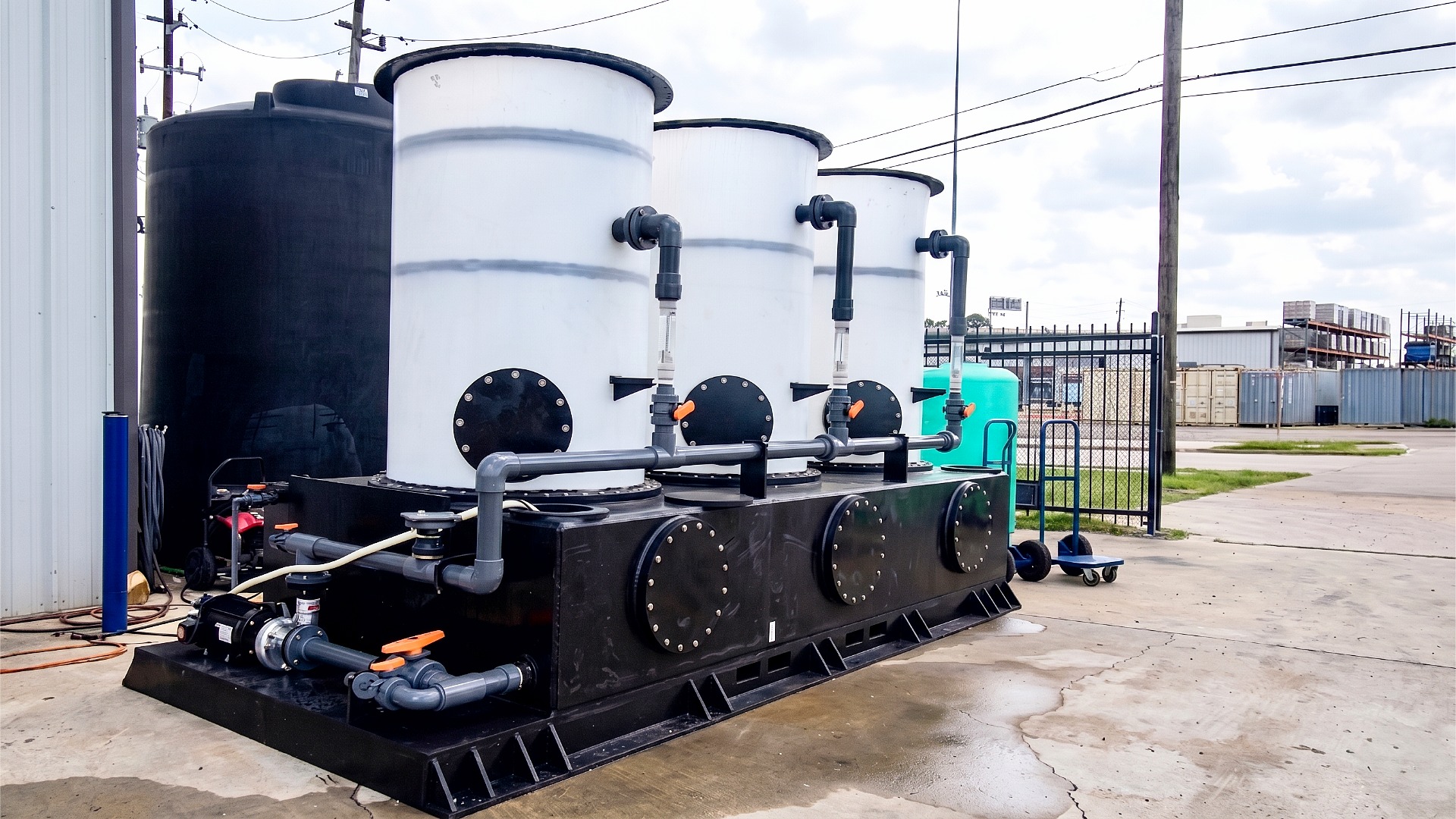
Protank builds custom acid neutralization tanks and complete neutralization systems built for your specific waste solutions, flow rate, and facility layout. Our tanks are made from the ground up to your process specs as neutralization systems and can feature add-ons such as connections for pH monitoring equipment, chemical dosing inlets, reagent storage, fume management, and secondary containment built in from the start.
Protank also fabricates the tanks commonly used upstream, including plating, anodizing, alkaline wash, deoxidizer, and electropolishing tanks, which generate the acidic waste these systems treat. The result: a single source complete process and waste treatment line.
Where Acid Neutralization Gets Specified
Acid neutralization requirements vary by industry, waste chemistry, and discharge volume. Tank design, material selection, and system configuration are reviewed per application before fabrication begins.
Metal Finishing and Surface Finishing
Metal or surface finishing or treatment operations generate, by volume, the highest amount of acidic wastewater that requires neutralization before discharge. Spent acid baths, rinse water dragout, and tank dump cycles all produce acidic waste streams subject to environmental pretreatment requirements and local discharge permits. Protank builds neutralization systems sized and customized for the specific acids and flow volumes generated, as sulfuric acid, nitric acid, hydrochloric acid, phosphoric acid, and mixed acid streams all have different chemical and design needs.
Chemical Manufacturing
Facilities that produce industrial chemicals, cleaning agents, agricultural chemicals, and specialty mixtures often generate acidic wastes from regular synthesis, washing, and equipment cleaning operations. Neutralization tanks for chemical manufacturing are typically designed for batch treatment of concentrated waste streams, and often built to accommodate multi stage pH adjustment and pre-release verification of discharge quality.
Semiconductor and Electronics Manufacturing
Wet applications that use hydrofluoric acid, sulfuric acid, nitric acid, and mixed acid etchants generate highly regulated acidic waste streams subject to hazardous waste discharge regulations. Tank neutralization setups for semiconductor facilities often require pH control, HF compatible materials, and material source documentation for environmental compliance audits.
Automotive Manufacturing
Acid pickling, phosphating, and paint shop rinse water jobs create acidic wastewater that must undergo neutralization before sewer discharge or offsite transport. Automotive manufacturing facilities operating at high volumes often require continuous flow neutralization setups with automated pH monitoring and dosing rather than batch treatment.
Wastewater Pretreatment
Industrial facilities with local pretreatment requirements use acid neutralization tanks as the primary treatment step before discharging into municipal collection systems. Tanks are sized for peak flow rates with sufficient retention time for neutralization to reach target pH levels. Protank can design these systems to match the specifications of your facility's pretreatment permit requirements.
Chemical Dosing and Day Tank Applications
Acid neutralization tank systems are also used to store and dose acid into alkaline streams or water treatment systems to lower pH. Day tanks for sulfuric acid, hydrochloric acid, and other acidic treatment chemicals are used in water treatment plants, industrial pH control, and cooling tower chemical treatment systems.
Laboratory and Research Facilities
Research organizations, university laboratories, and testing facilities use acid neutralization tanks to safely handle and dispose of acidic compounds generated during experiments and analytical procedures. These are often required to support compliance with laboratory safety protocols and the waste management requirements of the institution.
Food Processing
Acidic cleaning solutions, clean in place wash chemicals, and workflow byproducts require safe containment and often neutralization before disposal. Tanks for food processing applications can be built using NSF listed and FDA compliant materials when health compliance is required alongside chemical waste management.
Stock tanks and outfitting options
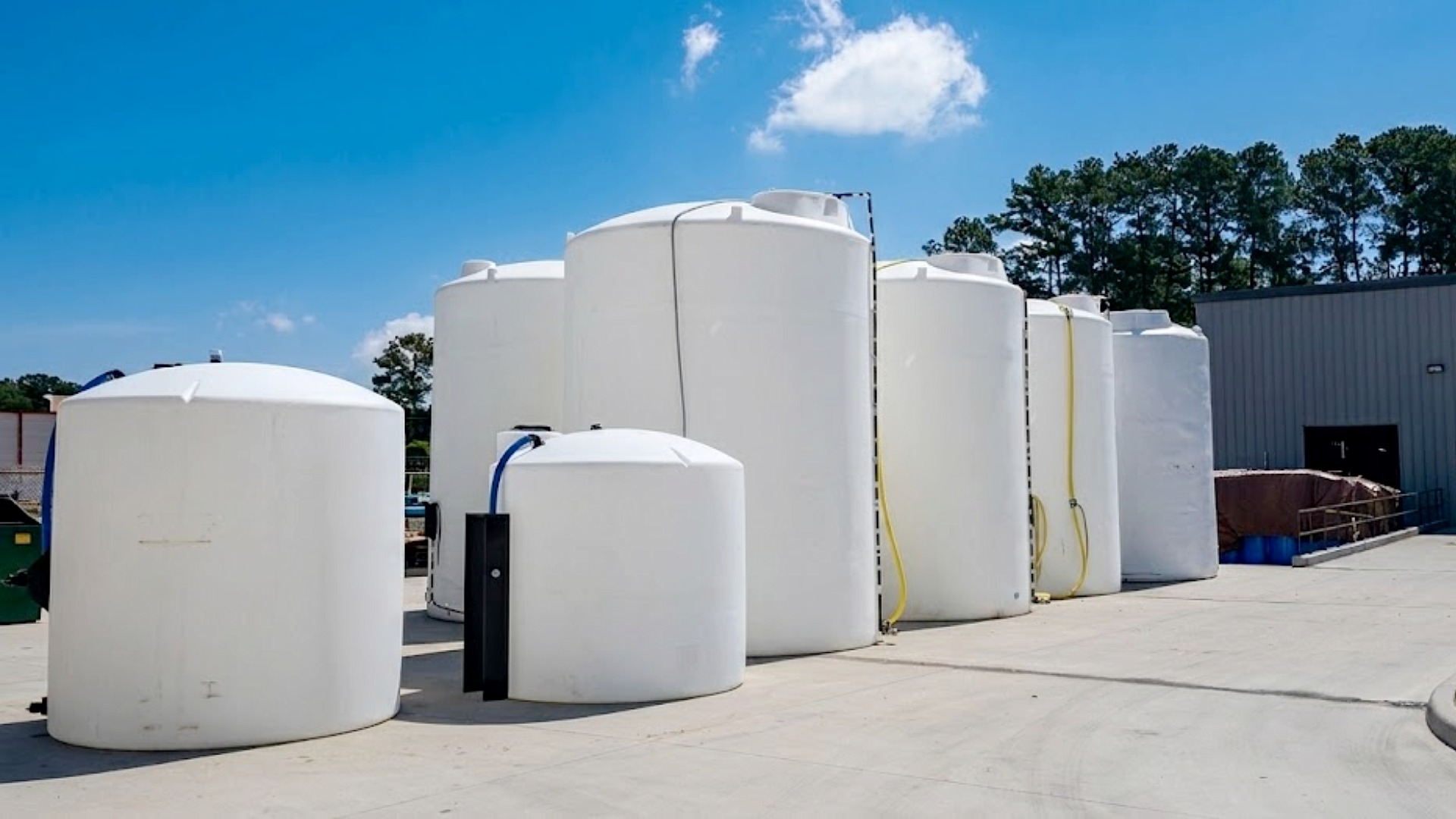
Protank also carries a catalog of stock tanks available for immediate purchase. This includes vertical storage HDPE and XLPE tanks, open top polypropylene tanks, cone bottom tanks, and IBC totes. Stock tanks can be purchased as-is for buyers who need a standard vessel for their own use or customization, or Protank can fully outfit them with fittings, plumbing, pumps, and components to your specifications before shipment. Contact us to discuss stock availability and outfitting options.
Upstream Sources of Acidic Waste
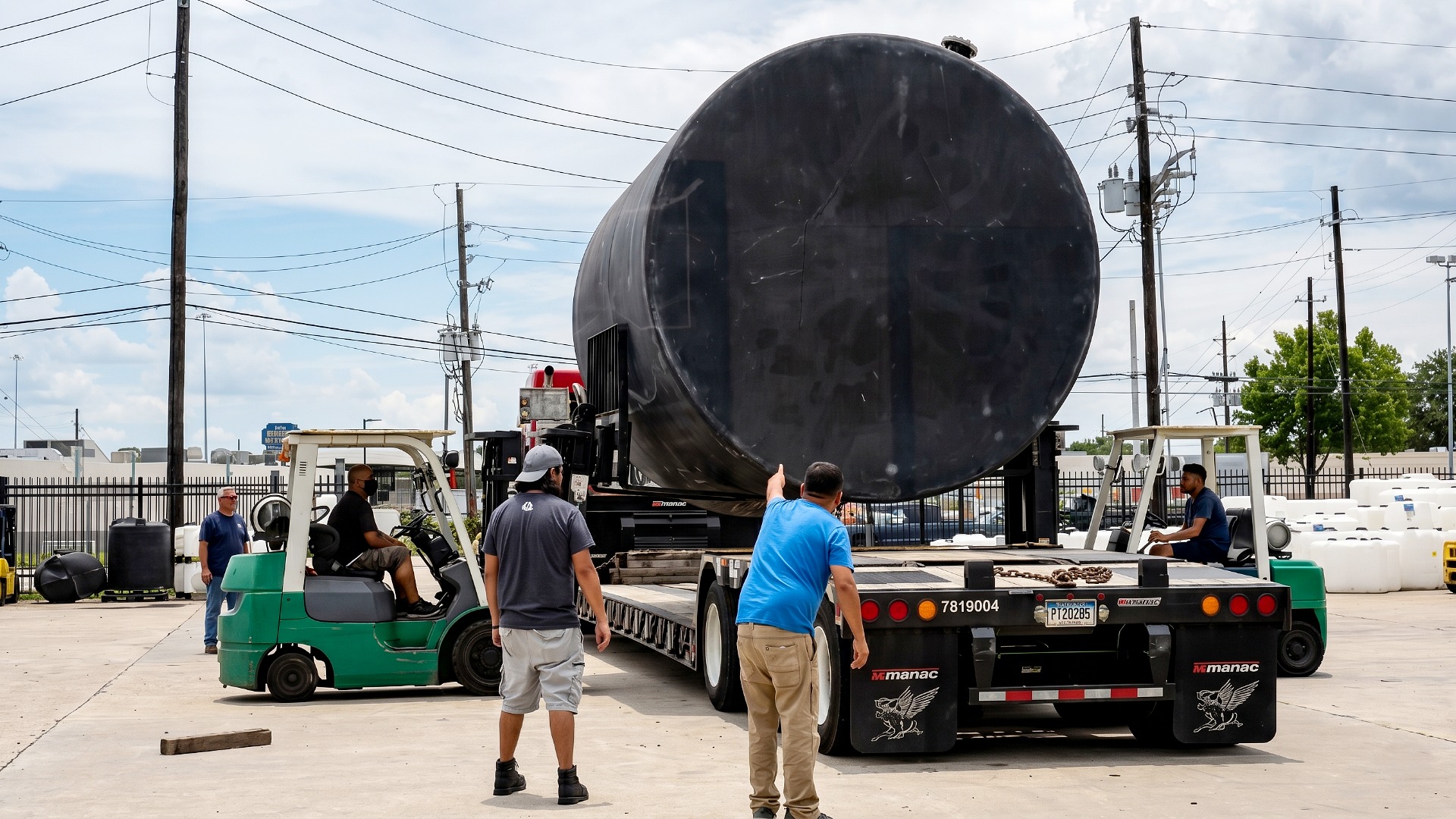
Protank builds the upstream process tanks that generate the waste streams that acid neutralization systems treat in addition to the neutralization systems themselves. We are one fabricator for your company's complete line.
Anodizing
MIL-PRF-8625Electroplating
40 CFR Part 63 Subpart NAluminum Deoxidizing
Electropolishing
Phosphating
Acid Pickling
Alkaline Wash Drag-Out
Chemical Manufacturing
Compliance and Safety
Environmental Compliance
Acid neutralization systems are governed by specific federal and local regulatory requirements. Protank builds systems that support compliance with:
40 CFR Part 403: EPA Clean Water Act
40 CFR Part 261: EPA RCRA hazardous waste
State and local pretreatment ordinances
OSHA worker protection standards
Safety First Design
Every Protank acid neutralization system is built with a precision welded, leak resistant construction to prevent acid exposure and protect personnel and the surrounding work environment. Secondary containment, vented lids, and fume management additions reduce the risk of exposure events. pH sensors and alarm systems can provide immediate notification of out-of-range conditions before discharge.
Documentation and Compliance Support
Protank can provide compliance documentation when needed to support environmental audits and permit reporting, including:
- Material specifications and polypropylene certifications.
- Compatibility documentation for neutralizing reagents and tank materials.
- Fabrication and quality control records.
- Technical data sheets for tank components and fittings.
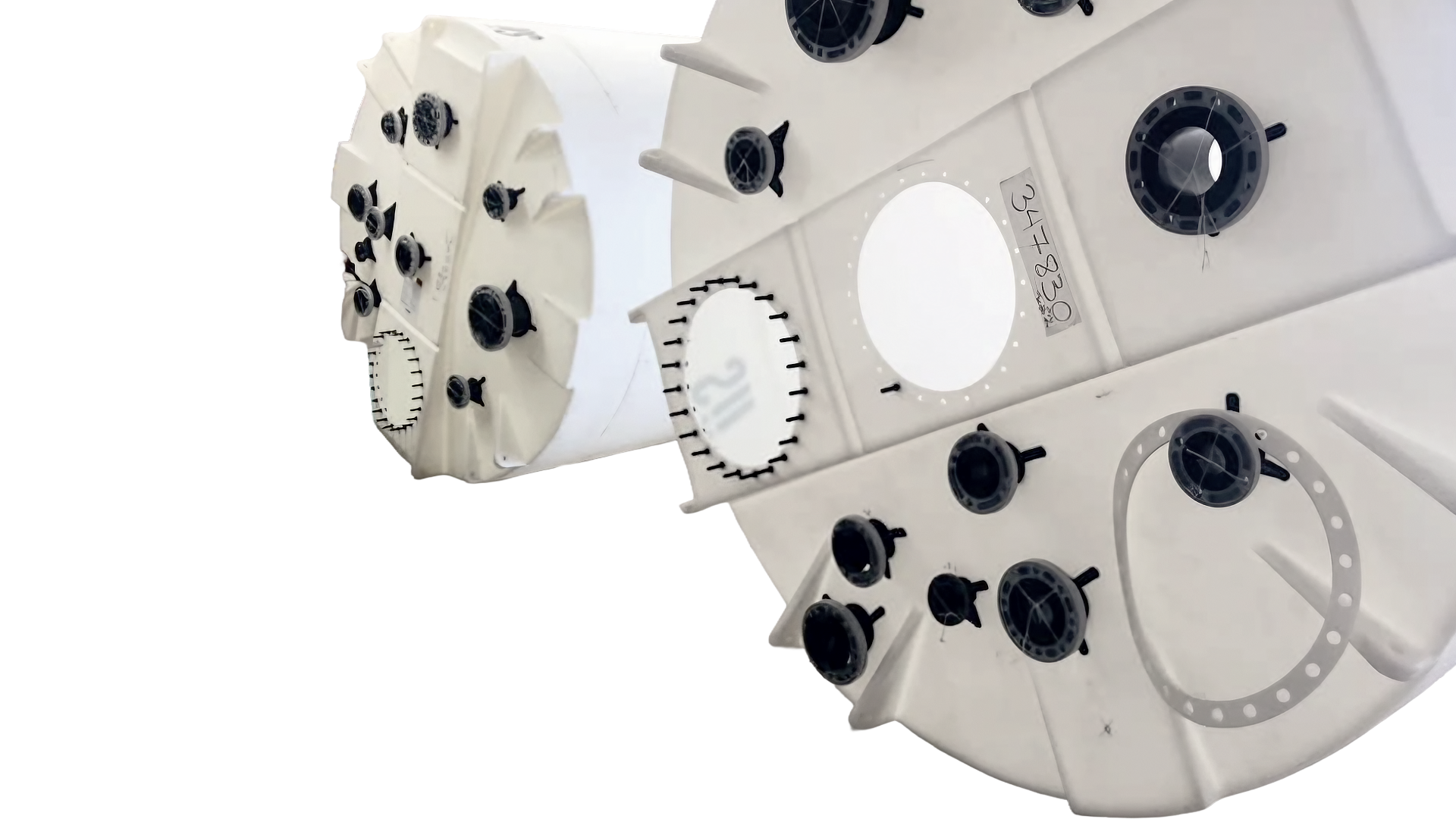
Built to Your Exact Specifications
Polypropylene (PP)
Standard construction material for acid neutralization service, with excellent resistance to corrosive acids and operating temperature range of 30°F–210°F (180°F max continuous).
- PP homopolymer (PP-H): available for higher temperature service where tank rigidity matters.
- PP copolymer (PP-C): available for greater impact and stress crack resistance; best choice for variable concentration waste streams and secondary containment applications.
Other Custom Tank Materials
- CPVC: For hot, non-oxidizing acid service at temperatures above PP's ideal range, or where PP has less than ideal chemical compatibility with the specific waste stream.
- HDPE: For applications with specific chemical compatibility or impact resistance needs.
- PVDF (Kynar): For service conditions that exceed PP's chemical compatibility range, including strong oxidizers, hydrofluoric acid, and elevated temperatures. For jobs where concentration or temperature demands are beyond PP, CPVC, or HDPE capabilities.
- FRP: For high strength structures or aggressive chemicals incompatible with thermoplastics.
Fittings and components
PVC, CPVC, PVDF Kynar, Viton, EPDM, stainless steel, and more in the type and material needed for chemical compatibility, each connection point, and system functionality.
Monitoring and Chemical Dosing Components
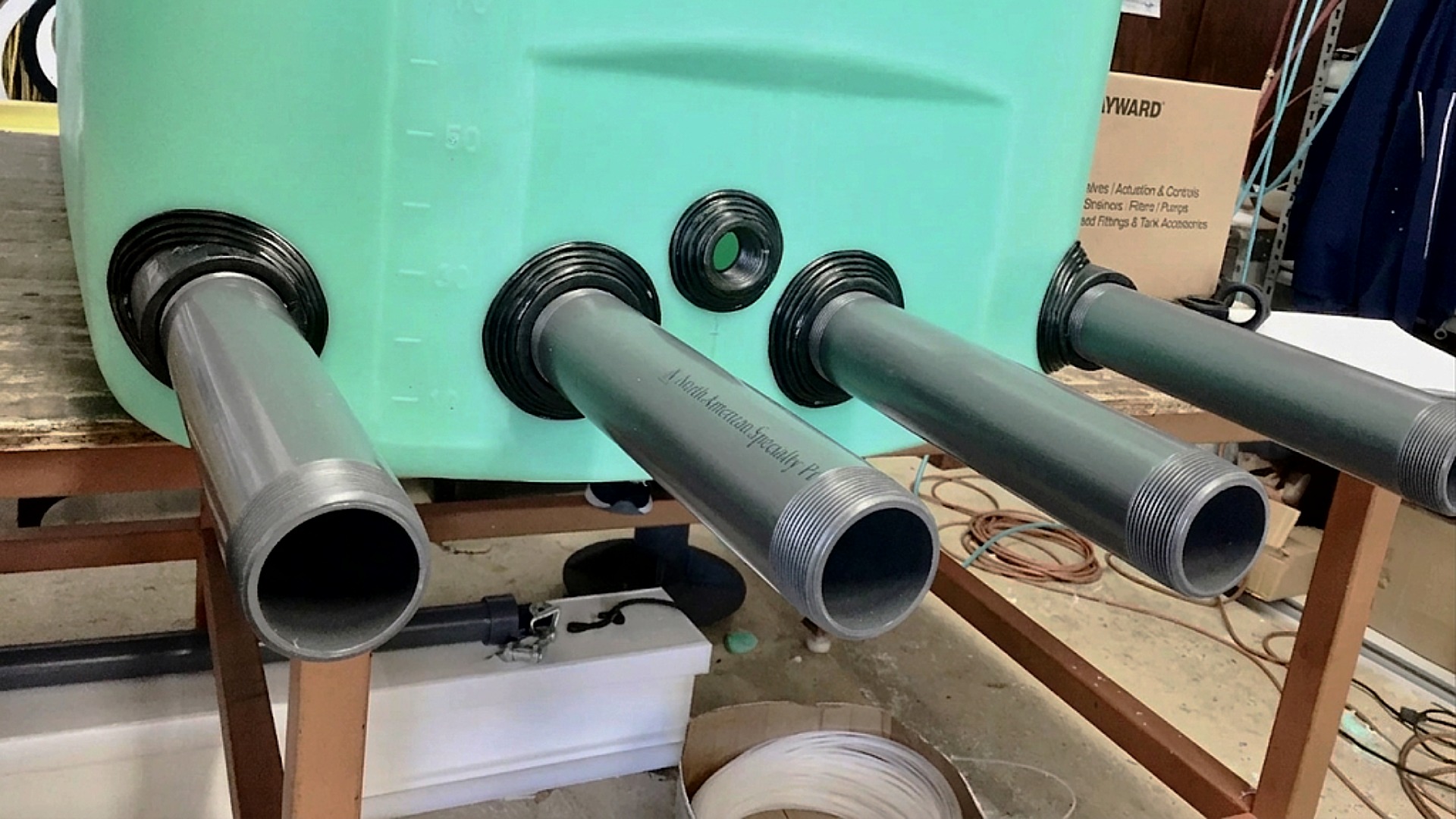
Acid neutralization jobs require real time pH monitoring paired with the controlled addition of reagents to bring waste to the target discharge pH. Protank can add or build pH sensor ports, chemical dosing pumps, bulkhead fittings, piping, valves, and more into the tank that reaches your facility—not as post-market add-ons, including:
- pH sensor ports: In-line and immersion probe locations for continuous pH monitoring equipment.
- ORP monitoring ports: Immersion probe locations for oxidation-reduction potential monitoring.
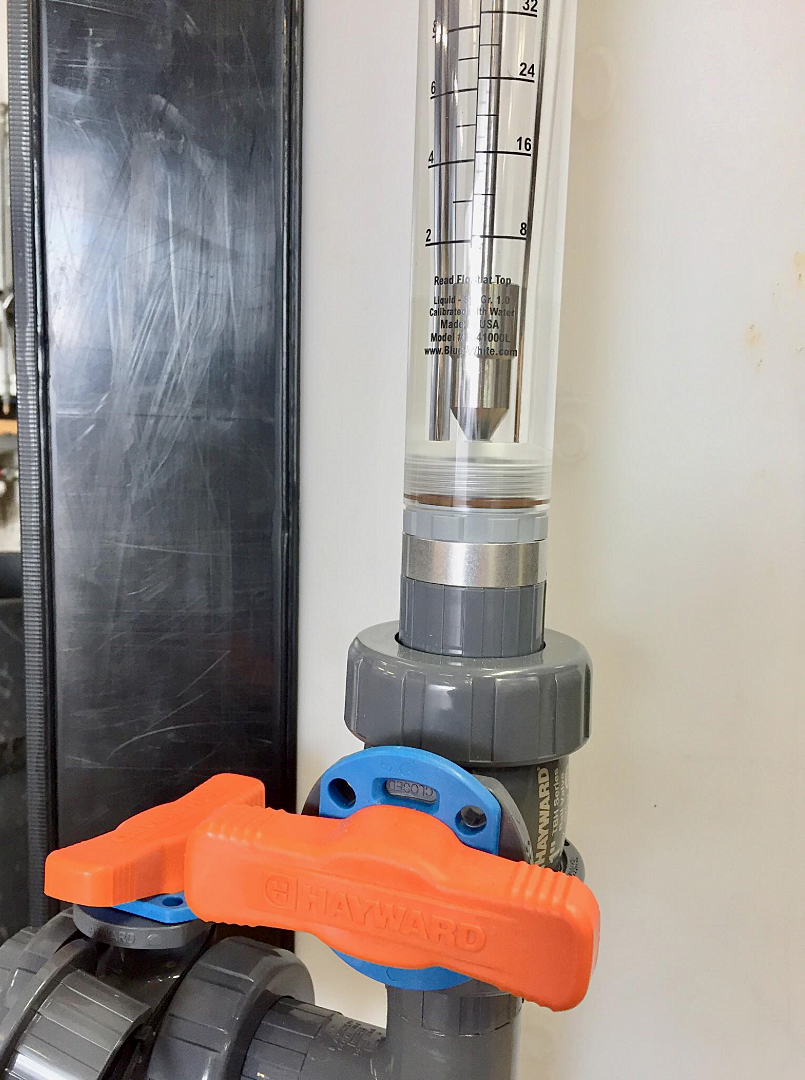
- Effluent flow meters: In-line flow measurement for volume reports or monitoring limit requirements per pretreatment permit.
- Chemical dosing: Sized and located for gravity feed or metering pump connections.
- Automated control components: Connection points for pH controller wiring, solenoid valve with actuators, and alarm setups.
- Manual dosing access: For batch treatment applications where reagents are manually added.
- Sample ports: Manual grab sampling and parameter verification access for permit compliance reporting.
- Agitation setups: Unique inflow designs to facilitate reagent addition and even distribution.
- Mixing ports: Installation and attachment points for mechanical mixing equipment.
Multi Stage Neutralization
Single stage neutralization is often insufficient for highly concentrated or variable acid waste streams. Protank can build two stage and three stage neutralization systems with in-step treatment chambers for by-stage parameter verification to ensure waste reaches target levels before discharge, even with variable inflow. Multi stage configurations are standard options for metal finishing applications with high volumes of concentrated, acidic waste.
Reagent Storage Integration
As neutralization requires a base chemical to raise pH, often sodium hydroxide (caustic soda), sodium carbonate, calcium carbonate, or limestone slurry, Protank can provide reagent storage tanks to pair with the neutralization systems. These can be sized to your dosing rate and replenishment schedule, with options for metering pump connections and level monitoring sensors integrated into the tanks.
Fume Scrubber Integration
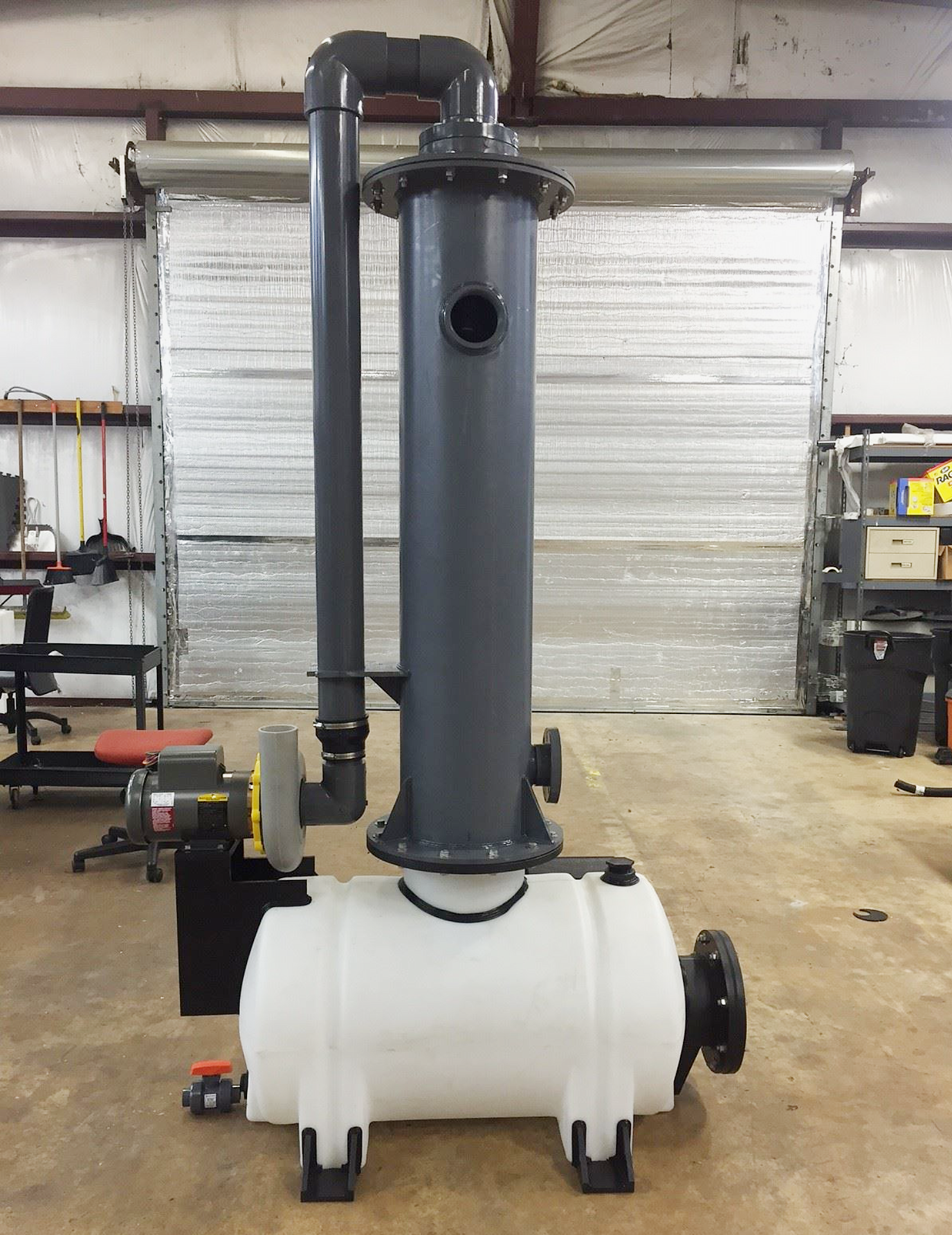
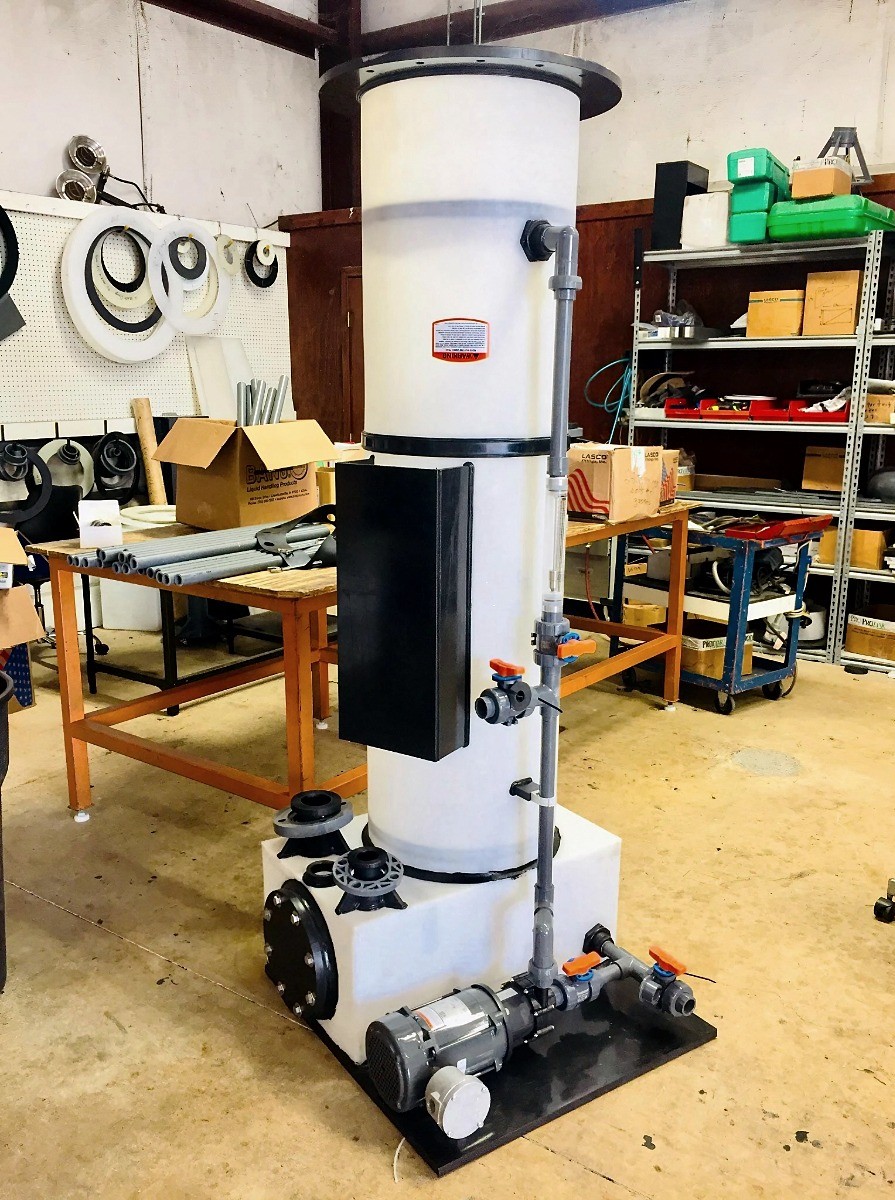
Neutralizing concentrated acid can create acidic vapors that require capture and treatment. Tanks can be built with vented lids, fume hood lip edges, and scrubber columns or connections for acid gas scrubber systems. The image at right show scrubber columns paired directly with neutralization base tanks—a common Protank solution for our metal finishing and chemical manufacturing customers.
Tank Sizes and Capacities
- Compact systems: For smaller production lines, facilities with limited space, and lower acid waste volumes.
- High capacity systems: For large industrial operations with high volume or continuous acid waste streams to handle.
- Custom dimensions: From a few gallons to several thousands of gallons, built to the exact size, shape, and footprint your facility and work need.
- Continuous flow vs batch treatment: Tanks can be designed for batch waste or continuous flow neutralization to match peak flow rates and calculated retention times.
Secondary Containment and Safety
- Integrated containment bases: HDPE or PP containment berms built into the system base.
- Double walled tanks: For applications with additional, reliable containment needs.
- Leak detection sensors: Continuous monitoring with immediate alert on release.
- Audible and visual alarms: Personnel alert systems integrated with tank monitoring.
- Overflow protection: Level sensors and high level alarms to prevent system overflow during peak loading.
Built right, the first time.
In-house fabrication
Every tank is built at Protank's own facility by our experienced fabrication team. This means direct quality control, consistent workmanship, and faster lead times on every project.
Complete system capability
Protank supplies the complete acid neutralization system: neutralization tank, scrubber column, reagent storage tank, containment base, component hookups, and pipe lines—no integration hangups, no mismatched components.
Regulatory aware design
We build neutralization systems to meet your facility’s pretreatment permit discharge requirements; retention time, reagent type, flow lines, and more can all be set to match your permit spec conditions.
Full process line
Protank builds the accompanying upstream surface finishing tanks, plating, anodizing, deoxidizing, alkaline wash, and electropolishing tanks, to provide a single source, single company solution.
Nationwide delivery
We ship complete custom made tank systems across the continental US, from our facilities to both coasts, with end-to-end support from consult through delivery.
20+ years of expertise
Two decades of building custom tanks and serving precision solutions for businesses across industries, nationwide.
Build Your Custom
Acid Neutralization System
Protank builds acid neutralization systems engineered to your application's waste chemistry, flow rate, and discharge permit requirements.
Every custom acid neutralization system from Protank is built specifically for your business's production streams and compliance needs. Send us your specs, and we'll get back to you within one to three business days.
Response within 1-3 business days. Every inquiry. All quotes are confidential.
Need a tank sooner? Protank also offers a full line of stock poly tanks available for immediate order →